

The Budget Buster: How Much to Assign to Interior Design

An interior design overhaul often starts out as a list of your hopes and dreams for your home. Unfortunately, as the project begins to take flight, costs mount up and what generally happens is the flooring isn’t quite what you had in mind, or the fridge wasn’t the one that makes ice cubes. We make concessions throughout the process up to a point where what was once a dream home design has now been compromised into oblivion, and all in the name of staying on budget.
Today, we’re looking at how to change that. From being realistic about furniture options to looking for ways to upcycle, we’ll help you ask all the right questions and put the days of your dashed interior design dreams behind you. With our help, you’ll be able to breathe life back into your home by creating a realistic budget that you know will deliver your heart’s desires.
Which room are you decorating?
The first step towards setting a budget that works for you is to think about the room you’re decorating. For the main rooms of the home (kitchen, living area, bedrooms, bathrooms), your budget will very much be determined by the appliances and larger furniture items.
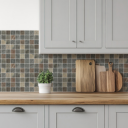
For example, in the kitchen, there’s plenty to think about – from the walls and floors to the cabinets, worktops and accessories (not to mention the appliances). If you’re keen to overhaul large items like the fridge and washing machine, it’s a good idea to set aside an allowance for these, and then consider accessories as part of a separate budget.
Find out more about the average cost of kitchen appliances here >
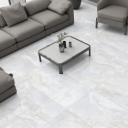
Moving into the living room, if you’re hiring a professional to paint and decorate, you need to consider the cost of materials and labour. Next, you’ll want to think about the larger furniture items in this room, like the TV, sofa and any sideboards or tables. Again, if you want to have a clear idea of your budget, split the room into the basic decorating costs, and those associated with furniture and accessories. This way, it will be easier to keep control over your spending – and you can be realistic about which aspects of your interior design will cost more.
Click here for more information on painting and decorating costs >
Bedroom budgets will very much be led by whose room it is and what they’re looking for from the finished project. The staple items in this room will be the bed and any storage options. If you shop around, you can often find bedroom suites that can instantly change the appearance of your room. A fitted bedroom can be a real space-saver, but it can also be the more costly option. So, if you’re happy to do things yourself, in the name of your budget, you’ll be better off buying the items individually.
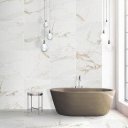
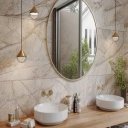
In the bathroom, the most expensive element will be the suite itself. If this doesn’t need updating, your budget only needs to cover your flooring, wall tiles, paint (if required) and accessories. In terms of making a big difference with a small budget, this is the room where you can really shake things up.
Does everything need changing?
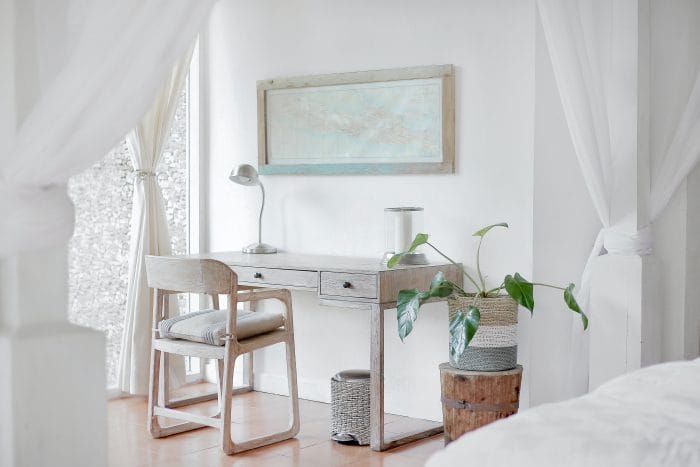
Now you know which room you’re tackling first, you can start thinking about what actually needs changing in those rooms. As mentioned above, the staple items are what will really set you back. If you’re merely accessorising, you could completely change the appearance of a room with as little as £100 if you’re willing to do a bit of shopping around for a bargain.
From applying a lick of paint to replacing your wall tiles, you can completely alter the appearance of a room with some small but meaningful interior design tweaks. Start by assessing the room and what it is about it you most want to update. Sometimes, this is as simple as adding some more colour or updating your overall colour scheme – and again, this doesn’t have to cost a lot.
Find out more about updating your wall tiles on a budget here >
Work out which aspects of the room could benefit most from an update and begin making a list. Elements such as scatter cushions, throws and light shades can make a huge impact without requiring a huge budget. If you’re keen to be rigid with your spending, group items into categories and set a budget for each category. For example, you might allocate £50 to refreshing the sofa. If you spend £40 on scatter cushions, you know you don’t have a lot left to work with. This will help you avoid overspending and keep your vision front of mind when shopping.
Can you repurpose any existing decor?
One of the best ways to overhaul your interior while sticking to a budget is to upcycle existing items – especially more costly elements, such as large items of furniture. If you’re a self-confessed DIY lover, you’ll probably get excited about embarking on this kind of project – but if getting the tools out fills you with dread, there are more fun ways to update your fixtures and fittings.
Discover more home design ideas on a budget right here >
In most homes, existing furnishings simply need a touch of TLC to give them a new lease of life, so, when setting your budget, take a look around your rooms and set aside items you don’t want to get rid of – then focus on ways to refresh and revitalise these features. By allocating a separate budget to upcycling, you can enjoy getting creative and transforming your old and worn items into something new and eye-catching.
Take a look at some upcycling ideas here >
If you’re ready to get stuck into your next interior design project, get your budget calculator at the ready! Head over to the Tiles Direct blog to discover more interior design tips on everything from updating your kitchen on a budget to home improvement hacks and so much more.

Comments are closed here.